
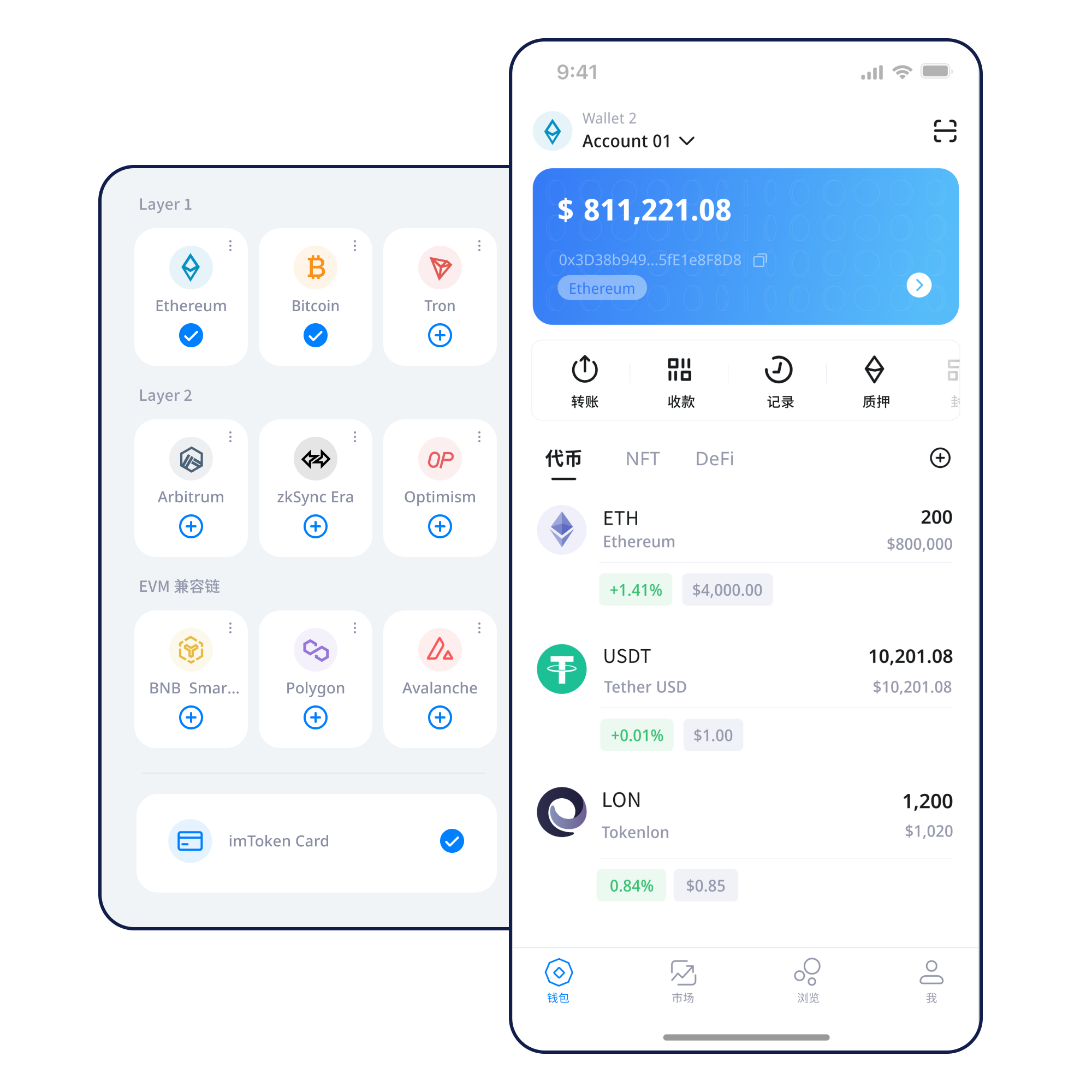
A wallet view does not merge different chains
Mobile convenience should never replace verification. Keep the device protected with a system lock, review app installation sources and verify a DApp domain before connecting. A multi-chain interface can display balances from several networks in one place, but the underlying assets still live on separate ledgers. Always pair the asset name with its network and, for tokens, the contract address. A familiar symbol alone is not enough to identify an asset safely.
An address also needs network context. Similar-looking address formats across networks do not make those networks interchangeable. Check the receiving address, destination network, asset and amount together.
Verify transactions with on-chain evidence
A local “sent” status means the wallet submitted a transaction; it is not the same as final settlement. Use the transaction hash to review execution status, block inclusion, confirmation depth and the receiving service’s own crediting policy.
If a balance does not appear immediately, first check the selected network and token contract. Avoid sending the same transfer again simply because an interface has not refreshed.
- Confirm the network and target first.
- Then verify the address, contract or permission scope.
- Finally review the fee, result and verification method.
Use a repeatable review order
Confirm the network first, then the asset and contract, then available balance, estimated network fee and recipient address. For unfamiliar tokens or contracts, verify their identifiers through a source you trust before interacting.
imtoken does not ask users to type seed phrases, private keys, recovery phrases or verification codes into website forms.
Make safety part of routine asset management
Store recovery material offline, review every transfer, grant only necessary DApp permissions and periodically inspect approvals that are no longer needed. A fixed checklist is more reliable than relying on memory during a rushed transaction.
On-chain transactions are generally not reversible by a wallet provider. For high-value transfers, a small test transaction can help verify the address and network path first.
Build a practical review process for imtoken App
Turn the topic into a repeatable checklist: define the intended result, note the network, asset, address or contract, estimate the fee and decide how you will verify the final state. This separates what you expected to happen from what actually happened on-chain. For imtoken App, clarity at each step matters more than speed.
If the result differs from expectations, preserve the transaction hash, network name, error message and request details shown by the wallet. Those details can support troubleshooting without exposing a seed phrase, private key or verification code.
Continue learning
Continue with the adjacent network, Web3 or security topics and run through a complete review before a real transaction.